
Off grid solar systems have become increasingly popular with homeowners and enthusiasts looking for ways to reduce reliance on large power companies and take control of their personal energy needs. I have researched off grid solar systems and found they help provide reliable power, protect our environment, and even add a touch of style by making your home the envy of your neighbors during a blackout. In this article, I share the top 5 benefits of using off grid solar systems while checking out the basics of how they work and offering practical advice for anyone considering making the switch.
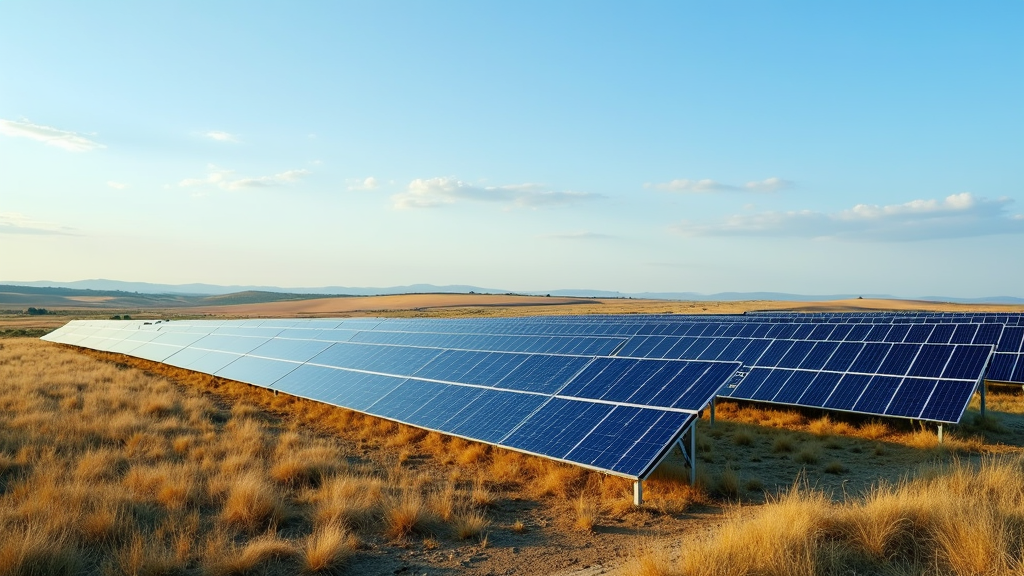
Top 5 Benefits of Off Grid Solar Systems
There are many reasons why people are turning to off grid solar systems. A few fundamental benefits truly stand out. Here are the five main advantages that might convince you it’s time to think about solar energy:
- Independence from the Power Company: One of the biggest draws of off grid solar systems is the freedom they offer. By installing your own energy solution, you can say goodbye to monthly electric bills and the anxieties of rising energy costs.
- Reliable Power Supply: Off grid systems provide dependable power even when traditional utilities face outages. Many setups allow you to keep running essential appliances, ensuring your home remains powered during storms or emergencies.
- Eco Friendly Green Energy: Solar power is one of the cleanest energy sources available. Using sunshine to generate electricity means producing fewer emissions and reducing your carbon footprint.
- Seamless Grid Connection Option: Even if local weather isn’t ideal enough for charging your system’s batteries solely with solar power, many off grid setups can be connected to the traditional power grid. This hybrid approach makes sure you’re never left without power.
- The Envy of Your Neighbors: There’s real satisfaction in hosting a modern and efficient energy system. In times of widespread outages, having an off grid system means your lights stay on. Your energy independence becomes a source of admiration and sparks conversation throughout your neighborhood.
Understanding Off Grid Solar Systems
Before jumping into the benefits, it’s helpful to understand how off grid solar systems work. Essentially, these systems use solar panels to capture sunlight and convert it into electricity. That energy is stored in batteries for use when the sun isn’t shining, ensuring power is available at all times. The primary components include solar panels, charge controllers, inverters, and the battery bank.
One interesting aspect of many off grid systems is the option for a grid connection. In certain setups, you have a dual system that can feed excess energy back to the grid when your batteries are full or draw from the grid when weather conditions hamper solar production. This dual nature guarantees a steady power supply in different conditions, making the system even more robust and flexible.
Exploring the Benefits in Detail
Let’s take an in-depth look at each benefit:
Independence from the Power Company
Many people are tired of the dependency on large power utilities. Off grid solar systems let you control your own energy generation. Without reliance on external power companies, you become immune to rate hikes and service interruptions. For those living in remote areas, having your own energy source can be a game changer, giving you not just energy independence but also peace of mind. This self-sufficiency provides the freedom to plan your energy usage without worrying about restrictions or unexpected surcharges.
Reliable Power Supply
The modern off grid solar systems are built to provide reliable power even during widespread outages. This reliability is achieved through high-quality battery storage and resilient system design. Even when severe weather or grid problems occur, your home continues to enjoy electricity. This stability is particularly important in regions that frequently experience power disruptions, ensuring access to heating, cooling, refrigeration, and other modern conveniences.
Eco Friendly and Green Energy
Switching from fossil fuels to solar energy makes a big difference in reducing greenhouse gas emissions. Solar power does not produce harmful pollutants and helps decrease reliance on coal or natural gas. Every kilowatt-hour generated by solar panels contributes to a cleaner environment. Whether you are new to renewable energy or a seasoned user, each bit of clean energy matters in building a sustainable future.
Hybrid Connectivity for Unpredictable Weather
Even the best solar setups face challenges when the weather is less than ideal. Overcast days or extended periods of inclement weather can lower solar output. However, modern off grid solar systems have the flexibility to keep a connection to the power grid. This hybrid approach allows your system to automatically draw power when solar production falls short. Consequently, your home never remains completely in the dark during less favorable weather conditions, ensuring a smooth transition between solar and grid power.
Be the Envy of Your Neighbors
A well-designed off grid solar system not only functions efficiently but also adds a modern, sophisticated touch to your home. Imagine a neighborhood blackout while your home continues to shine thanks to renewable energy. In this scenario, your energy setup becomes a conversation starter and a visible symbol of progress. The futuristic appeal of your solar system may even boost your property’s value and inspire others to consider similar renewable solutions.
Considerations Before Installing an Off Grid Solar System
While off grid solar systems offer numerous benefits, there are several factors to consider before making the switch. Understanding these aspects ensures you choose a solution that best fits your needs. Solar systems are not necessarily a one-size-fits-all solution; your specific energy consumption, geographic location, and available sunlight are important factors in selecting the right system.
It’s important to assess your power consumption patterns and evaluate the battery storage capacity. In this section, I break down some key considerations:
- Energy Consumption Assessment: Start by evaluating your daily power usage. This calculation helps determine the appropriate size and number of panels you’ll need while ensuring you have sufficient battery backup.
- Battery Storage: The type and size of your battery storage is critical. High-quality batteries can store power effectively for later use, ensuring that even when sunlight is low, your home has a reliable electricity supply.
- System Compatibility with Grid: Consider whether a hybrid model that connects to the local power grid meets your needs. This option provides a backup source by drawing power when solar generation is low, particularly during prolonged cloudy periods or harsh winter conditions.
- Initial Costs and Incentives: Although long-term benefits are significant, upfront costs can be high. Research local incentives, tax credits, or rebates that might help ease the initial investment burden.
- Maintenance Requirements: While solar panels typically require minimal upkeep, battery systems and inverters might need periodic checks to maintain optimal performance over time.
Advanced Tips for Maximizing Your Off Grid Solar System
If you’re comfortable with the basic setup or planning to invest soon, several advanced strategies can help you make the most of your off grid solar system. These tips blend modern technology with time-proven practices to boost efficiency and extend system longevity.
Monitor Your Energy Production: Keep an eye on your system’s performance using effective monitoring tools. By tracking both energy production and consumption, you can spot issues early and optimize the configuration to fit your lifestyle. Regular monitoring allows you to address small concerns before they become larger problems.
Optimize Panel Placement: Correct positioning of your solar panels is crucial. Aim for maximum exposure to sunlight by carefully considering the angle, orientation, and any potential obstructions such as nearby trees or buildings. The right placement can make a significant difference in overall performance.
Regular System Maintenance: Although solar panels require little upkeep, giving them a periodic cleaning ensures they capture as much sunlight as possible. Battery systems, in contrast, benefit from regular inspections to detect any signs of degradation or issues before they seriously impact performance.
For those aiming to further step up efficiency, consider integrating smart inverters that optimize electricity conversion in low sunlight conditions. Upgrading to higher capacity batteries or improved charge controllers can also bolster system reliability, particularly when weather conditions are unpredictable.
Real Life Experiences with Off Grid Solar
Many homeowners who have made the switch to off grid solar systems share stories of unexpected benefits and improved lifestyles. Neighbors often comment on the modern look and the reliability of these systems during emergencies. One homeowner mentioned that installing an off grid system not only slashed monthly bills but also provided the satisfaction of knowing that every sunny day contributed to powering the home in an eco friendly way.
Additional testimonials highlight that off grid solutions come with hidden perks. For instance, families in remote areas no longer worry about the constant fluctuations in power supply, enjoying uninterrupted energy regardless of external conditions. This reliable source of power has also facilitated the adoption of innovative home technologies, further improving quality of life. Experiences like these provide compelling real-life proof of the environmental and practical benefits of switching to renewable energy.
Extended Considerations for Installation
Before moving forward with an off grid system installation, it helps to look beyond immediate benefits and consider long term planning. Many homeowners find that investing extra time in researching the right kind of battery technology, storage capacity, and solar panel quality pays off in the long run. By mapping out your energy needs and potential future upgrades, you ensure that the system evolves along with technological advancements and personal requirements.
Looking into professional installation services and after-sales support can also provide added assurance. Many companies now offer comprehensive packages that include installation, maintenance, and even troubleshooting support. Taking advantage of such services makes the entire process smoother and helps you get up to speed with your new energy solution without unnecessary complications.
The Future of Off Grid Solar Energy
As technology continues to advance, the next stage of off grid solar energy promises even greater levels of efficiency and convenience. Experts predict that improvements in battery storage, inverter technology, and solar panel efficiency will drive a glow-up in how we experience renewable energy. Future systems are expected to integrate more seamlessly with smart home technology, making it easier than ever to manage energy usage remotely.
Innovations such as enhanced energy monitoring software and adaptive power management systems are paving the way for an energy revolution at the residential level. With these advancements, off grid solar systems will not only remain a reliable backup during power outages but will also serve as a central component in the smart homes of tomorrow. The possibility of combining renewable energy with digital management tools opens up a range of benefits that can completely transform everyday life.
Frequently Asked Questions
Question: What exactly is an off grid solar system?
Answer: It is a setup that uses solar panels to generate electricity that is stored in batteries. This allows your home to operate independently from a traditional power grid. Some systems also offer a hybrid connection to the grid for added reliability.
Question: How does an off grid solar system maintain power during cloudy days?
Answer: Reliable battery storage is a key component of these systems. Additionally, many setups can connect to the grid so that if solar production is low, the system automatically draws supplemental power from the utility.
Question: Can off grid solar systems really reduce my energy bills?
Answer: Yes. Once the system is in place, your reliance on the utility company is significantly reduced. You generate your own clean energy and avoid rising electricity costs, which over time can lead to substantial savings.
Question: Are off grid systems good for the environment?
Answer: Absolutely. Since solar panels convert sunlight into electricity without burning fossil fuels, these systems help reduce carbon emissions and promote a cleaner, greener environment.
Question: What makes an off grid system stand out during a blackout?
Answer: In a blackout, traditional homes might be left in the dark or reliant on noisy generators. With a well-designed off grid system, your home continues to have power, ensuring that conveniences remain operational while also impressing neighbors with your modern energy solution.
Wrapping Up
Off grid solar systems offer a range of benefits that extend far beyond simply reducing utility bills. They provide true independence by freeing you from rigid power company schedules and unexpected costs, and they ensure reliable power even during emergencies or after extreme weather events.
One of the most appealing aspects of off grid solar is its contribution to a cleaner environment. Switching from fossil fuels to renewable energy not only lowers your carbon footprint but also sets a sustainable example for future generations. With hybrid options available, you get the best of both worlds by enjoying the independence of off grid power while maintaining a safety net through grid connectivity when conditions are less than ideal.
Installing an off grid solar system is a smart investment for your property. It saves money in the long run and provides an energy solution that is modern and efficient—a solution that can make your neighbors take notice during outages. By taking the time to research, plan, and invest in a tailored system that meets your lifestyle needs, you open the door to significant savings, reliability, and environmental benefits.
In addition, the process of setting up a solar system encourages a deeper understanding of your energy consumption habits. This insight can help you adjust usage patterns, leading to further energy efficiency. As more people adopt renewable energy solutions, the collective impact on reducing our environmental footprint grows, creating a better future for everyone.
Ultimately, off grid solar technology is more than just an alternative to traditional energy sources. It represents a step toward a sustainable, self-sufficient lifestyle that benefits both your household and the planet. With thoughtful installation and regular maintenance, your system will serve you well for many years to come. Enjoy the peace of mind that comes from knowing you are part of a progressive move towards energy independence and environmental responsibility.
Take the time to research, plan, and eventually invest in a system that not only meets your immediate energy needs but also paves the way for a sustainable future. Enjoy reduced bills, a reliable energy supply during emergencies, and the satisfaction of making a positive impact on the environment every day.