
Off grid solar systems have become very popular as more people seek independence from traditional energy sources and aim to lower their energy bills. Many homeowners and small business owners are attracted by the idea of generating their own electricity in a way that is both cost-effective and environmentally friendly. I have long been intrigued by the potential savings and practical benefits these systems offer. In this article, I will check out various financial considerations associated with investing in off grid solar. I will explain key topics to help you make informed decisions regarding investments, budgeting, and long term planning. With government incentives available and advances in solar technology, many find that the initial costs eventually yield substantial savings. This piece is intended to simplify the financial aspects of off grid solar, providing you with a clear roadmap to weigh both initial expenses and long term benefits.
Understanding the Financial Basics of Off Grid Solar
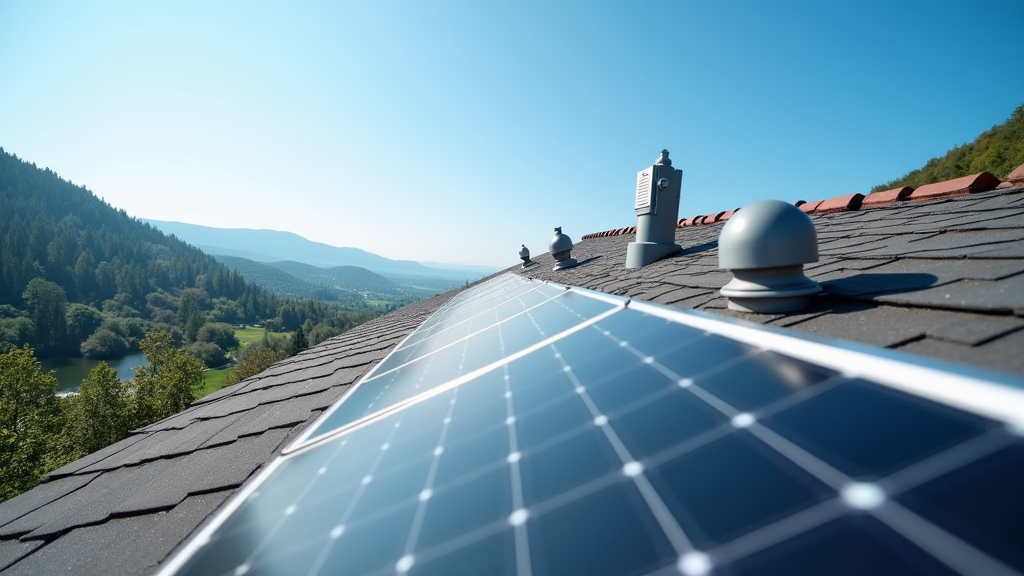
Understanding the financial basics of off grid solar is very important if you are considering an investment in renewable energy. The system requires an upfront investment that includes the purchase of solar panels, batteries, charge controllers, and other necessary components. Once installed, the system offers the advantage of lowering monthly energy bills significantly. Many users see the potential for break‐even within a few years as the savings accumulate over time. It is essential to compare the initial expenses with the projected long term savings, keeping in mind that energy production can vary with seasonal changes. Furthermore, government rebates and tax credits can provide a very important financial boost, reducing the overall cost of installation. Knowing these basics helps in planning financially, allowing potential buyers to forecast performance and savings accurately over the lifespan of the system.
Getting Started With Off Grid Solar Systems
Before jumping into an off grid solar project, it is a good idea to lay out a detailed plan. Start by evaluating your energy consumption and identifying which appliances and devices will run on solar power. A careful assessment of your daily usage helps to determine the necessary system capacity. It is also important to conduct a site assessment to be sure that your location gets sufficient sunlight year‐round. Research available equipment by comparing options in terms of cost, efficiency, and warranty. Creating a list of required components—such as panels, batteries, and inverters—can smooth the way for a more organized installation process. This planning phase should also include reviewing available financing options. Comparing loans, leasing agreements, or upfront purchase discounts can all make the process more manageable. By using solar cost calculators and budgeting tools, you can obtain a clear picture of the future investment, ensuring a sound decision is made.
Key Financial Considerations Before Investing
Investing in off grid solar is a significant decision, and there are several financial considerations to keep in mind. The high upfront costs for solar panels, batteries, and complementary equipment may require financing solutions or careful budgeting. It is very important to plan not only for the installation but also for ongoing costs such as maintenance and potential repairs. The savings on monthly energy bills are a major selling point, yet these savings can vary with changes in weather and fluctuations in energy consumption. Regulatory and permitting fees might also add to the overall expenditure. Additionally, the availability of government incentives like tax credits or rebates can help reduce costs and make the investment more attractive. By carefully weighing these factors and setting aside a reserve for unforeseen expenses, buyers can prepare for both the expected challenges and the benefits that come with this transition to renewable energy.
Advanced Financial Strategies for Maximizing Benefits
Once the basic off grid solar system is installed, adopting advanced financial strategies can take your benefits up a notch. For example, upgrading battery systems not only improves energy storage but also helps balance cost with efficiency. Some setups may even combine solar energy with other renewable sources, such as wind power, creating a more resilient and diversified energy supply. Reviewing and comparing different financing plans is another smart way to make the most of your investment. Regularly tracking the system’s performance using simple budgeting tools can help you see how quickly the initial investment pays off and when additional upgrades might be warranted. Although these advanced strategies require a bit more effort to manage, they can lead to quicker returns and longer‐term savings. Careful review, planning, and adjustments are very important practices for ensuring that the system remains both efficient and cost‐effective over time.
Essential Equipment and Financial Tools
Selecting the right equipment is very important to ensure both optimal performance and sound financial planning when investing in off grid solar. Essential components include solar panels, which capture sunlight and convert it into electricity, and batteries that store this energy for later use. The quality of these components greatly influences not only energy production but also long term savings. Charge controllers help manage the energy flow to prevent overcharging, while inverters transform the stored energy into a form that household devices can use. Beyond the physical components, financial tools such as cost calculators and budgeting spreadsheets are crucial. These resources enable you to project savings, compare installation costs, and even plan for future maintenance. By combining efficient technology with smart financial planning, you can set up a system that not only meets your contemporary energy needs but also adds significant value over time.
Frequently Asked Questions
A number of questions tend to arise when evaluating the financial aspects of an off grid solar system. One common query is how to calculate the payback period. Typically, this involves comparing the total upfront investment with the anticipated monthly savings, determining when the break‐even point is reached. Another frequently posed question concerns the availability of financing options. Many providers offer various plans, from loans to leasing programs, each designed to ease the initial financial pressure. Potential buyers are also curious about additional costs beyond the equipment. It is advisable to budget for ongoing maintenance, occasional repairs, and any regulatory fees that might be required by local authorities. By answering these questions, I hope to provide clarity and assist you in making more informed decisions. Having a clear understanding of common concerns ensures you are well prepared for your solar investment journey.
Conclusion
Wrapping up, the financial facets of off grid solar investments involve a careful mix of initial expenditure, potential ongoing costs, and long term savings. By checking out and comparing various cost factors—from equipment to maintenance—you can establish a sustainable financial plan that suits your needs. Government rebates and tax credits may improve affordability, while well‐structured financing options can ease the upfront burden. It is very important to balance technology choices with practical budgeting, ensuring that your investment remains efficient and cost‐effective over time. Solar energy not only offers the opportunity to reduce reliance on traditional sources but also can stimulate significant savings over the lifespan of the system. Taking a proactive approach in understanding these financial details enables you to make sound decisions and set up a robust energy solution for the future. Your journey towards energy independence starts with informed, careful planning and realistic financial expectations. This insight‐rich overview aims to give you a thorough and balanced picture of the financial dynamics at play, ensuring you have nearly every detail you need to jumpstart your energy independence adventure.