
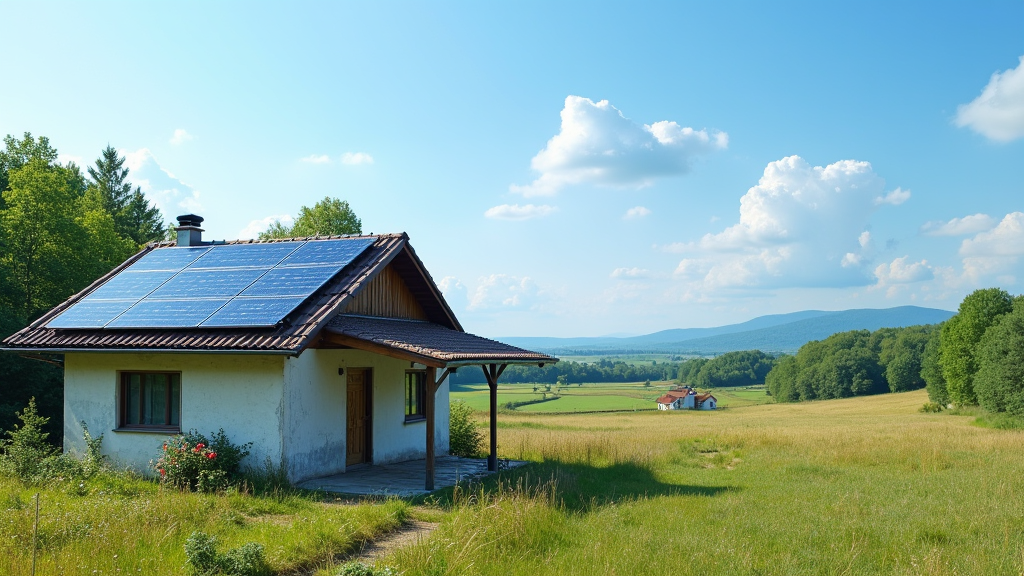
Off grid solar systems offer a way to produce your own electricity without relying on a public utility grid. Many people are checking out this design to give a boost to energy independence while reducing reliance on fossil fuels. I have spent plenty of time researching and experimenting with these systems, and the process always feels rewarding when you see your design come together. This article presents a careful walk-through of best practices for off grid solar system design. It covers the basics, explains the key components, and outlines a clear design process that even beginners can start with confidence.
Whether you live in a remote area or simply want to reduce your environmental impact, designing an effective off grid system is a practical project. This guide will help you understand how each component works together to create a stable and sustainable energy source. In addition, it offers detailed insights into planning, selecting quality parts, and ensuring that safety measures are put in place. Energy independence can truly transform your day-to-day life while contributing to long-term environmental benefits.
Why Off Grid Solar Systems Are Worth Considering
- Energy independence: Relying on a self-sustaining power source means you have more control over your energy supply. This can be especially useful in remote locations where connecting to the grid is expensive or impossible. When you produce your own power, you are less affected by power outages or fluctuations in energy pricing, which can be very important over time.
- Sustainability: Solar energy is a clean, renewable resource that reduces greenhouse gas emissions. A well-designed off grid system contributes to a more sustainable future. By investing in renewable energy, you not only support environmental health but also inspire others around you to consider alternative methods of power generation.
- Reliability in isolation: With proper planning, off grid systems can function under a variety of weather conditions. Battery backups and diverse panel arrangements ensure continued operation during overcast days or unexpected weather changes. The system’s robustness ensures that even in less than perfect conditions, you have a dependable source of power.
- Economic benefits: After the initial investment, solar energy typically lowers overall monthly expenses by reducing reliance on traditionally expensive utility bills. Over time, the savings on utility bills can offset the upfront costs, and many users find that maintenance expenses are also relatively low compared to conventional power systems.
Moreover, adopting an off grid system can offer community advantages. It serves as an inspiring example for neighbors and local communities, encouraging a shared commitment toward energy independence and sustainability. There is a growing trend of people turning to renewable energy sources, and your decision to build an off grid solar system is part of a larger, transformative movement in energy generation.
Key Components of an Off Grid Solar System
A good off grid solar system hinges on selecting the right components and ensuring they work harmoniously. Here are the primary components you will need:
- Solar Panels: These capture sunlight and convert it into electricity. The choice of panels depends on your available space, sunlight exposure, and energy needs. Modern panels are available in various sizes and efficiencies, ensuring you can pick one that best matches your situation.
- Charge Controller: This device regulates the flow of electricity from the panels to the battery bank, preventing overcharging and extending battery life. It is very important that the controller be chosen based on the system voltage and current capacity to ensure a long life and safe operation.
- Batteries: Storage is essential for off grid systems. Batteries store energy so that you can access power when the sun isn’t shining. Many users opt for deep cycle batteries specifically designed for repeated discharge cycles, ensuring longevity and reliability in energy storage.
- Inverters: Solar panels produce direct current (DC) electricity, but most appliances use alternating current (AC). Inverters convert DC into AC, making your power usable. An inverter’s capability to handle sudden changes in load is something to pay attention to during system design.
- Wiring and Mounting Hardware: Proper wiring ensures the safe transport of electricity between components. Mounting systems secure panels in optimal positions to capture sunlight efficiently. Quality wiring, with proper insulation and adherence to local standards, is crucial to avoid energy losses and safety issues.
- Monitoring Equipment: Instruments for tracking system performance and battery health can simplify maintenance and alert you to potential issues before they become serious. These devices allow you to follow energy production trends over time, making troubleshooting far simpler should problems arise.
- Safety Gear: Fuses, disconnect switches, and grounding equipment help protect your system and maintain safe operation even during faults or extreme conditions. Safety measures are not only about preventing technical problems but also about ensuring that anyone interacting with the system is unharmed in case of an emergency.
It is always recommended to use quality components since cutting corners can lead to system failures. With a well-planned system, each component works together seamlessly, turning your design into a reliable power source. This integration is central to achieving both efficiency and safety in off grid solar designs. Over time, as technologies advance, these components are only set to become even more effective and user-friendly.
Step-by-Step Design Process
1. Evaluate Your Energy Requirements
Begin with a close look at your energy needs. List out all the appliances and devices you plan to run and calculate their total wattage and daily usage hours. This calculation helps determine the capacity of your solar panels and battery bank. It is important to build in a buffer to account for unexpected increases in energy consumption or inefficiencies in system performance. Taking a detailed inventory of energy needs is a critical starting point for the entire project.
Spend time researching your typical energy consumption patterns. By taking the opportunity to chart your average usage over a period of several weeks or months, you can better anticipate seasonal changes and unusual requirements. This extra step not only makes your system more robust but also prepares you for variability in power demands.
2. Assess Your Site and Sunlight Exposure
Once you know your energy requirements, evaluate the location where the system will be installed. The available sunlight in your area varies with geographic location and seasonal changes. It is helpful to map out the installation space, note any shading from trees or buildings, and decide on the optimal angle for mounting your panels. Proper planning here can significantly boost the overall efficiency of the system.
Consider taking measurements at different times of the day. This gives you an all-in-one overview of how sunlight moves across your site. A more detailed assessment can also involve local weather history, which might reveal patterns that inform panel placement. Such diligence ensures you make the most of your available natural resources.
3. Choose Your System Components
Select solar panels that fit your energy demands and available space. Keep in mind that the type of panel—monocrystalline or polycrystalline—impacts both efficiency and cost. Alongside the panels, choose a reliable charge controller that offers protection features like overcharge and reverse current prevention. When picking batteries, consider deep cycle models designed for repeated, sustained discharge cycles. Finally, carefully select the inverter to match your anticipated load needs.
Researching the latest technologies can also be beneficial. Many newer models come with enhanced monitoring features and better energy conversion efficiencies. Reading reviews and comparing product specifications is a worthwhile investment of your time. This research phase is essential to avoid components that might fail or become outdated quickly.
4. Design the System Layout
Create a detailed plan of the system layout. This plan should include the location of solar panels, wiring routes, battery storage, and control equipment. Sketching out the layout helps you visualize the system and spot potential problems before installation. It ensures that cables are kept as short as possible to reduce energy losses and that the components are easily accessible for future maintenance.
During this planning stage, consider drawing several sketches to explore different configurations. Each layout option may reveal unique benefits and potential drawbacks, so taking the time to explore alternatives is very important. Careful design now will save time and resources during the installation process, and may even lead to innovations in how components are arranged.
5. Implement Safety Measures and Wiring Standards
Safety is a major part of designing an off grid system. Use wiring that fits the current and voltage of your system. Connectors, fuses, and disconnect switches are critical to prevent faults and allow safe shutdowns when necessary. It is advisable to use standardized wiring practices and consult local electrical codes to ensure you meet all required safety standards. This early focus on safety saves time and prevents issues during operation.
In addition to electrical safety, physical safety should be considered. Ensure that mounting systems are secured firmly and that access panels are clearly marked. This comprehensive approach to safety not only protects your equipment but also safeguards you and anyone working near the system. Regular safety reviews after installation can help in maintaining a secure energy setup over many years.
6. Install and Test Your System
With the design complete, begin the installation process. Install your solar panels on sturdy mounts in the optimal orientation. Connect the wiring carefully according to your layout, and install the charge controller, batteries, and inverter in a location that is sheltered from extreme temperatures and moisture. Once installed, perform tests to ensure each component functions properly and the system as a whole meets the planned energy output. Testing under various simulated loads can reveal areas that might need fine-tuning before fully relying on the system.
It is very important to take your time during this phase. Rushing the installation or skipping tests can lead to long-term issues that are difficult to troubleshoot later. Document the entire process with detailed notes and photographs. This information can be invaluable should you need to revisit the system for maintenance, upgrades, or troubleshooting in the future.
7. Monitor and Optimize
After the initial setup, continuous monitoring is essential. Many modern systems come with digital monitoring tools that display output trends, battery health, and overall performance metrics. Regularly review these metrics to spot inefficiencies. Periodic maintenance such as cleaning the panels, inspecting wiring connections, and testing battery performance helps ensure that your off grid system runs smoothly for years to come.
Taking a proactive approach to system optimization can also involve small adjustments. For example, repositioning panels slightly during different seasons or updating firmware on monitoring devices can yield better performance. Keeping an eye on new technologies and methods is also beneficial, as it may be possible to integrate improvements into your existing setup without having to start over completely.
Tips & Best Practices
- Plan for extra capacity: Overestimating your energy requirements slightly can cover periods of low sunlight or increased usage. Adding extra capacity ensures stability during challenging weather conditions. This forward-thinking strategy often saves time and money in the long run.
- Modular design: Build a system that allows for future expansion. As your energy needs grow, having modular components can make it simpler to add more panels, batteries, or even a backup generator. Modular systems are especially advantageous when technology improvements become available, as they allow for phased upgrades.
- Regular inspections: Schedule routine checks of your battery bank, wiring connections, and mounting structures. Early identification of wear or damage prevents small issues from developing into major problems. Taking a systematic approach to troubleshooting ensures that any slight anomaly is addressed before it escalates into a costly repair.
- Use quality components: Cutting corners with inexpensive parts can lead to failure down the line. Investing in quality components often means fewer headaches and a more robust system. In many cases, spending a bit more upfront leads to savings in maintenance and replacement costs over time.
- Documentation and planning: Keep a detailed log of your system’s design, installation process, and maintenance records. Detailed documentation can be extremely useful for troubleshooting or when you decide to upgrade parts of your system in the future. A well-documented project allows you to retrace your steps, and can also help others who are embarking on a similar path.
- Consult experts: Don’t hesitate to seek advice from professionals or experienced off grid solar enthusiasts. Local resources or online forums often provide insights specific to your geographic region. Networking with others can provide creative solutions and useful tips that may not be found in any manual.
Additional best practices include using environmentally friendly materials where possible and staying updated with local regulations. By keeping an eye out for any policy updates and technical improvements, you can ensure that your system remains both compliant and efficient throughout its lifetime.
Frequently Asked Questions
Q: What are the main advantages of going off-grid with solar?
A: Off grid solar systems provide energy independence and reduce your reliance on public utilities. They are ideal for remote locations and can lower long-term energy costs once the system is installed. Additionally, the use of solar power is a green solution that helps reduce carbon emissions.
Q: How do I determine the size of the battery bank I need?
A: Battery size is calculated based on your energy consumption requirements and the number of days you want the system to operate without sunlight. It is often a good idea to oversize the battery bank slightly to allow for inefficiencies and future expansion.
Q: Can I integrate a backup generator with my off grid system?
A: Yes, many off grid systems include provisions for a backup generator. The generator can either charge the batteries during prolonged periods without sufficient sunlight or provide direct power when necessary. This hybrid design adds an extra layer of security to your energy supply.
Q: What maintenance should I expect with an off grid solar system?
A: Routine maintenance for an off grid solar system includes cleaning the panels, checking connections, and testing battery performance. Monitoring software helps identify issues early, allowing you to address them before they become more serious.
Share Your Off-Grid Solar Journey
If you decide to take on off grid solar system design, the process can be both enjoyable and enlightening. Sharing your experiences and any tweaks you made not only helps others learn but also builds a community around sustainable energy practices. I hope these best practices provide a solid foundation for your project. Whether you are planning a small cabin setup or a larger home system, taking the time to design carefully can lead to a rewarding sustainable energy solution.
Consider joining local groups or online communities where enthusiasts discuss their projects, share updates, and swap ideas on what works best. The shared knowledge can spark new ideas and provide practical advice during challenging moments. Every off grid system is unique, so adapting these best practices to your specific situation often yields the best results.
Investing time in planning, quality components, and regular maintenance is key to a robust off grid solar system. Enjoy the process as you get involved with renewable energy resources and make meaningful changes toward energy independence. Ask questions, learn from your mistakes, and celebrate your successes as they come. Over time, your system will not only provide reliable energy but also serve as a testament to the power of self-sufficiency and innovation.
Furthermore, documenting your journey in detail can serve as both a personal record and a valuable resource for others. Write down every challenge you face and every breakthrough you achieve. These records become a guide which can help future projects and inspire a wider movement toward sustainable living. Your hard work and dedication to renewable energy contribute to a future that is cleaner and more resilient for all.
In wrapping up, remember that designing and implementing an off grid solar system is a dynamic process—one that evolves with technology, environmental challenges, and personal experience. There is always something new to learn or improve, so stay curious and engaged. With a clear plan, quality components, and a proactive attitude, your off grid solar system can shine as a beacon of innovation and sustainability for years to come.
This detailed guide is meant to be a living document. As you implement your system and encounter new challenges, feel free to update your approach. Every modification is a step toward making your setup even more efficient and tailored to your needs. Ultimately, your project isn’t just a technical installation. It’s a statement about who you are and what you value—a commitment to a sustainable, independent, and empowered lifestyle.